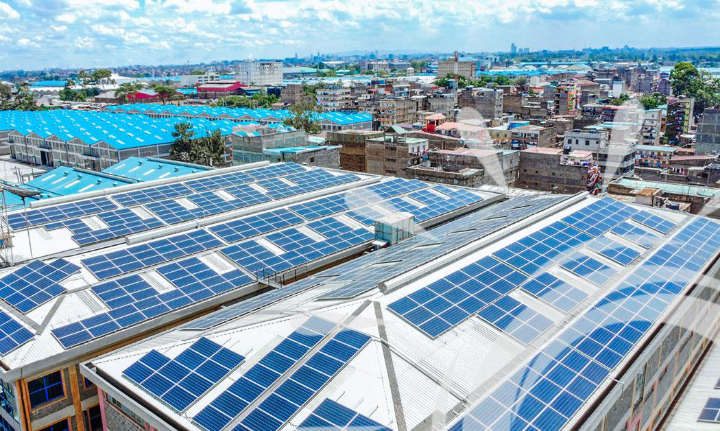
How Hybrid Solar Systems Reduce Energy Costs in Kenya
Kenya continues to experience rising electricity demand across commercial, industrial, and agricultural sectors. As energy costs increase and grid reliability becomes a challenge, hybrid solar systems are becoming one of the most practical energy solutions for businesses seeking stable and cost-effective power.
At CHICHI EXIM Engineering, we design hybrid solar energy systems that combine solar generation, battery storage, and grid integration to improve efficiency, reduce operational costs, and support long-term energy sustainability.
What Is a Hybrid Solar System?
A hybrid solar system combines solar panels, battery storage systems, hybrid inverters, and grid connectivity into one integrated energy solution.
Unlike traditional solar systems, hybrid systems can:
- Store excess energy in batteries
- Operate during power outages
- Reduce dependence on the national grid
- Optimize energy consumption patterns
- Support industrial and commercial loads
Why Hybrid Solar Systems Are Growing in Kenya
Businesses in Kenya are increasingly adopting hybrid solar systems because of unpredictable utility costs, rising diesel generator expenses, and the need for operational reliability.
Commercial facilities, cold storage operations, manufacturing plants, hotels, farms, and offices require stable electricity to maintain productivity.
Hybrid solar engineering solutions help businesses:
- Reduce monthly electricity bills
- Minimize generator fuel costs
- Improve energy resilience
- Lower maintenance expenses
- Support sustainability initiatives
Applications of Hybrid Solar Systems
Hybrid solar systems are widely used across multiple sectors in Kenya and Africa.
Commercial Buildings
Office complexes and retail facilities use hybrid solar systems to reduce peak electricity consumption and lower utility expenses.
Industrial Facilities
Industrial operations require stable three-phase power systems capable of supporting machinery, refrigeration systems, and production equipment.
Cold Chain Infrastructure
Cold rooms and refrigeration systems require uninterrupted energy supply. Hybrid systems ensure continuous cooling during outages.
Agricultural Operations
Solar-powered irrigation systems and agribusiness facilities benefit from reduced operational costs and energy independence.
Battery Storage and Energy Optimization
Modern LiFePO4 battery systems provide efficient energy storage for hybrid solar installations.
Battery integration allows businesses to:
- Store daytime solar energy
- Use stored energy at night
- Reduce peak demand charges
- Improve backup power reliability
Engineering Considerations for Hybrid Solar Systems
Proper engineering design is critical for system performance and long-term reliability.
At CHICHI EXIM Engineering, our process includes:
- Site assessment and energy audits
- Load analysis and system sizing
- Battery storage design
- Hybrid inverter configuration
- BOQ development
- Financial feasibility analysis
The Future of Solar Energy in Africa
Renewable energy infrastructure will continue to shape Africa’s industrial and economic development. Hybrid solar systems provide scalable solutions that support energy access, infrastructure growth, and operational efficiency.
Hybrid solar systems are helping businesses across Kenya reduce energy costs, improve reliability, and strengthen long-term sustainability.
CHICHI EXIM Engineering delivers investment-ready solar engineering systems designed for commercial, industrial, and infrastructure applications across Africa.